Cloudflare v. Arcom: DNS blocking, EU sanctions, and the limits of the Digital Services Act
This blogpost, although very long, is a very simplified summary of the legal wranglings about an order placed on Cloudflare to block access to sanctioned Russian outlets for users of its DNS service in France.
This Digital Services Act User-Guide will answer all the questions you might have about the upcoming DSA, a groundbreaking law on internet safety and platform accountability.
This article reviews how users can appeal (in)action taken against content and/or accounts on four major social media platforms. It provides policy advice in the context of the next steps of the EU Digital Services Act (DSA), in particular Article 17 concerning internal complaint handling and redress mechanisms.
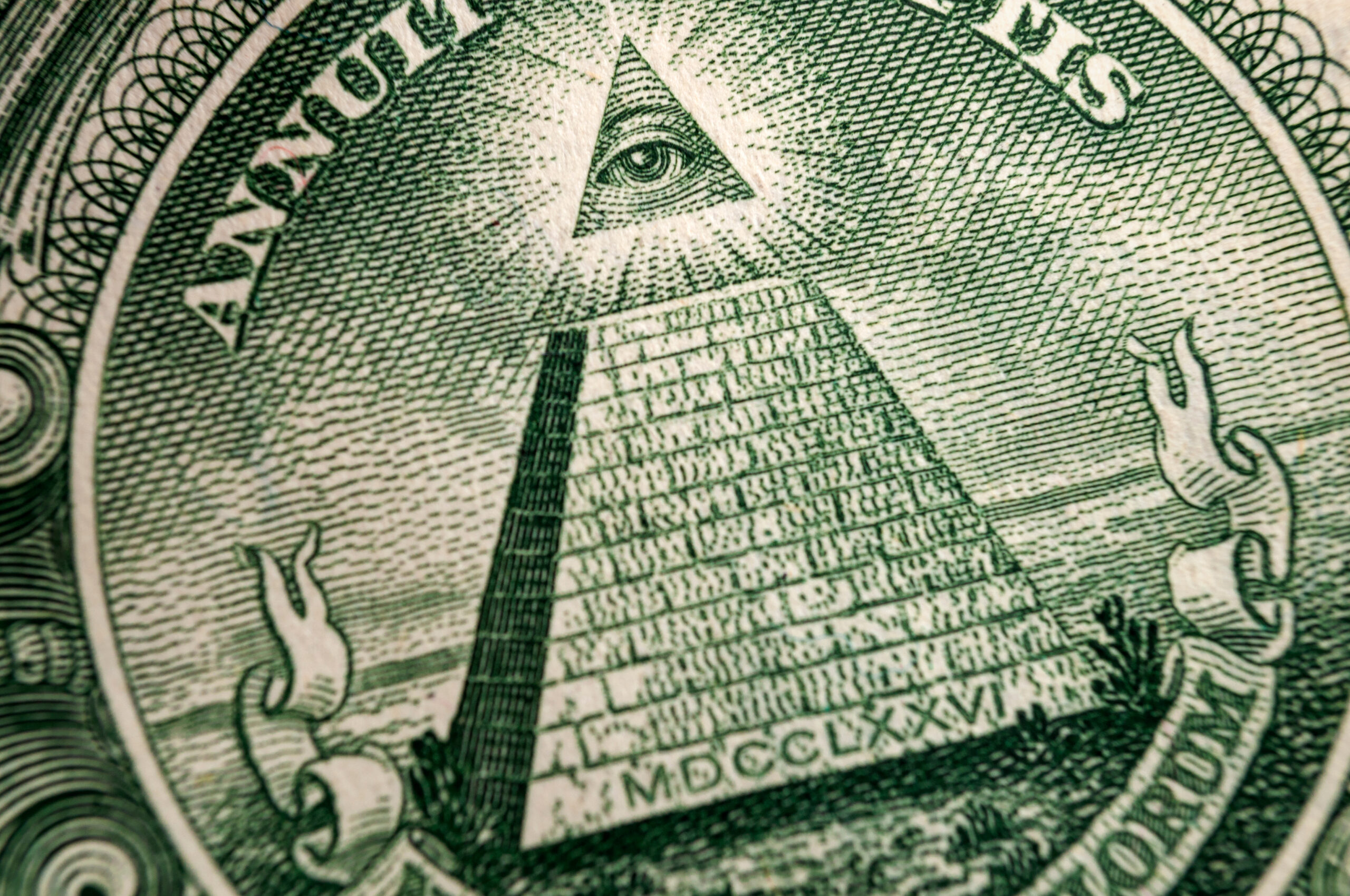
The investigation identifies online groups that offer users the possibility to become members of the Illuminati upon payment of a membership fee. The study unveils an under-investigated phenomenon, which combines potential online scams and dangerous conspiracy beliefs about the deep state.
The VUB and EU DisinfoLab have joined forces under the EDMO Belux project to publish an investigation, “From Infodemic to Information War”, about the evolution and convergence of disinformative narratives around the Covid-19 pandemic and the war in Ukraine.
Ana Romero-Vicente, Researcher at EU DisinfoLab
Executive Summary
The study tackles a dozen disinformation websites to explore a fairly under-researched phenomenon on the rise in wake of the pandemic: requesting donations from readers in the form of cryptocurrencies.
During the 2021 German federal elections, satirical campaigns, set up by activists group, spread online and offline. When does satire become disinformation?
The last French presidential election five years ago was marked by the Macron Leaks and the spectacular dissemination of data. Even before the outbreak of the war in Ukraine, securing the 2022 presidential election was a priority, for state actors, civil society, and platforms alike.
This analysis provides a snapshot of common disinformation trends that have been spreading since the beginning of the conflict in Ukraine. All research is based on fact-checks published by networks such as #UkraineFacts and EDMO.
By Maria Giovanna Sessa, Senior Researcher at EU DisinfoLab
Executive summary
As the perception of expertise has now become a question of credibility over competence, the research identifies a three-fold typology of actors who, being publicly recognised as experts despite their lack of knowledge on COVID-19, consistently transmitted disinformation in Italy during the first year of the pandemic.
By Roman Adamczyk, EU DisinfoLab Research Coordinator
Disinformation is often perceived as a complex topic where malicious actors, mostly linked to states, use sophisticated techniques to spread misleading or false content to large audiences.
By Ana Romero-Vicente, EU DisinfoLab Researcher
Introduction
Facebook, Instagram, Twitter, and YouTube have all taken additional steps to crack down on Covid-19 falsehoods, although it is proven that they are not always effective, and their AI detection system fails to remove most of the problematic content.