#Disinfo2025
On 15–16 October 2025, the counter-disinformation community reunited in Ljubljana, Slovenia, to continue exchanging ideas, learning, and collaborating. Thank you everyone who joined us for making this conference the success it was!
As an independent non-profit organisation, EU DisinfoLab gathers knowledge and expertise on disinformation in Europe. Through putting together research, investigative work and policy acumen, EU DisinfoLab is an active member of, and supports, a passionate and vast community that helps to detect, tackle, and prevent information disorders endangering citizens’ integrity, peaceful coexistence and democratic values.

On 15–16 October 2025, the counter-disinformation community reunited in Ljubljana, Slovenia, to continue exchanging ideas, learning, and collaborating. Thank you everyone who joined us for making this conference the success it was!

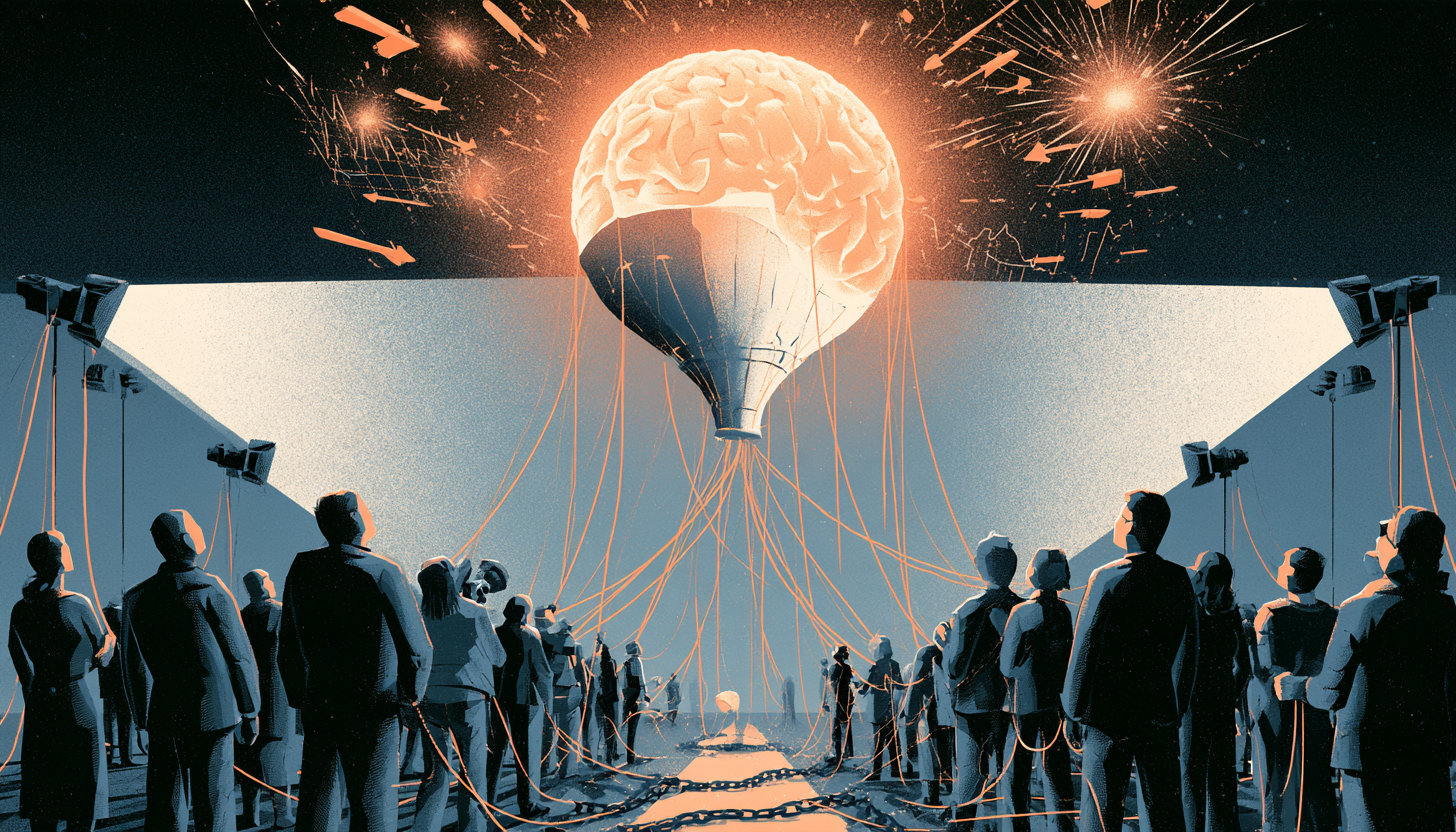
In the face of disinformation, defenders of democracy are often drawn into endless battles against falsehoods. Yet, this is precisely the trap laid by anti-democratic movements. Their aim is not to win the debate, but to waste our time and energy – keeping us busy defending our work instead of advancing it. Rather than playing by their rules, we must focus on protecting our shared rights and strengthening democracy.
In this webinar, Zuzanna Wojciak shows how TRIED draws on insights from the Deepfakes Rapid Response Force (DRRF) to provide a practical, sociotechnical framework that helps.
This session traces how history and archaeology have been manipulated to legitimise power, first by Nazi Germany and today by the Russian state.
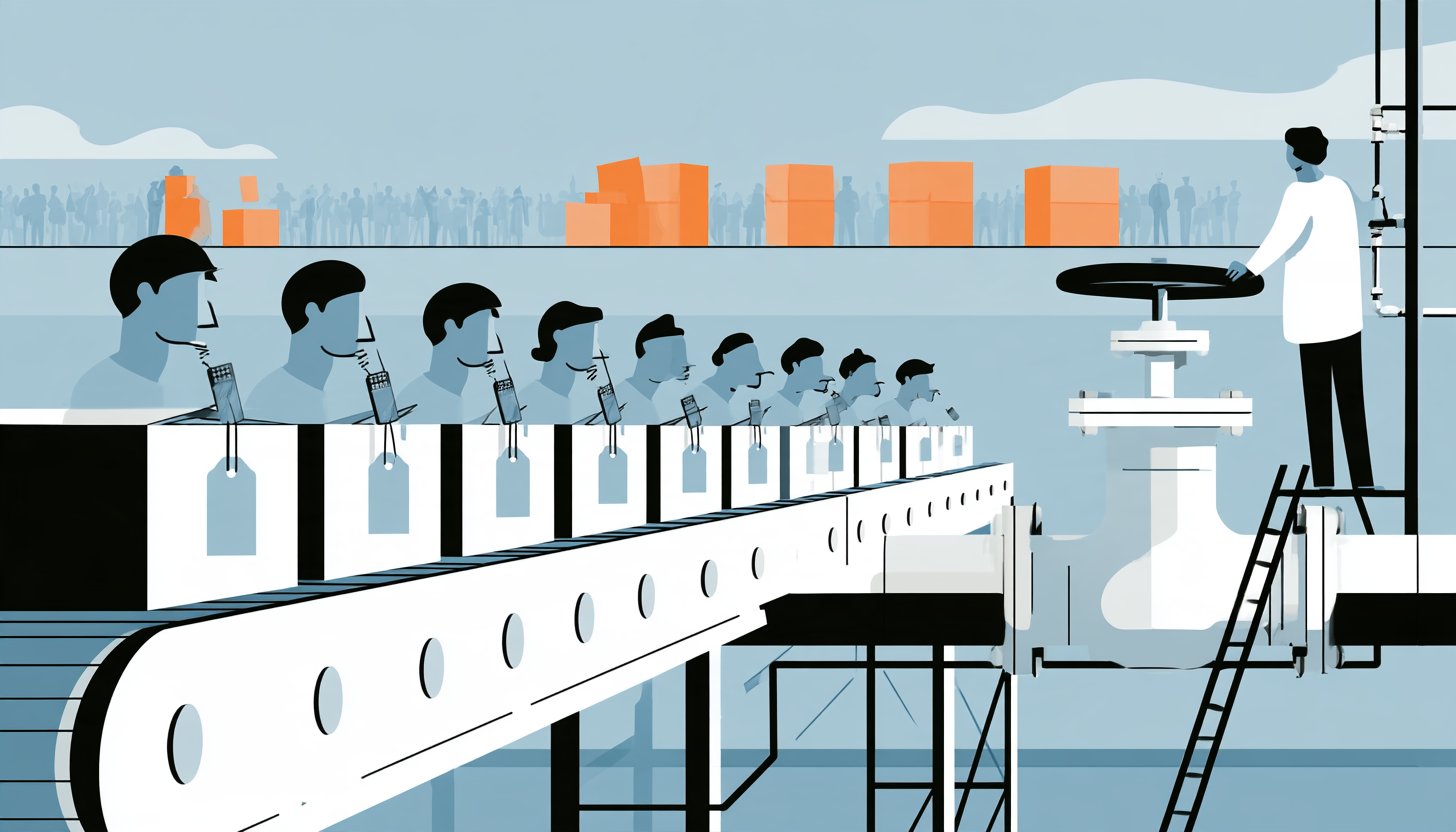
Behind Russia’s polished state messaging lies a vast monitoring apparatus: ANO Dialog. In this session we show how it works and why it represents a new model of state-controlled disinformation.
This publication updates the EU DisinfoLab’s 2022 impact-risk index with new elements, standardised metrics, and an automated tool to reflect evolving disinformation threats.
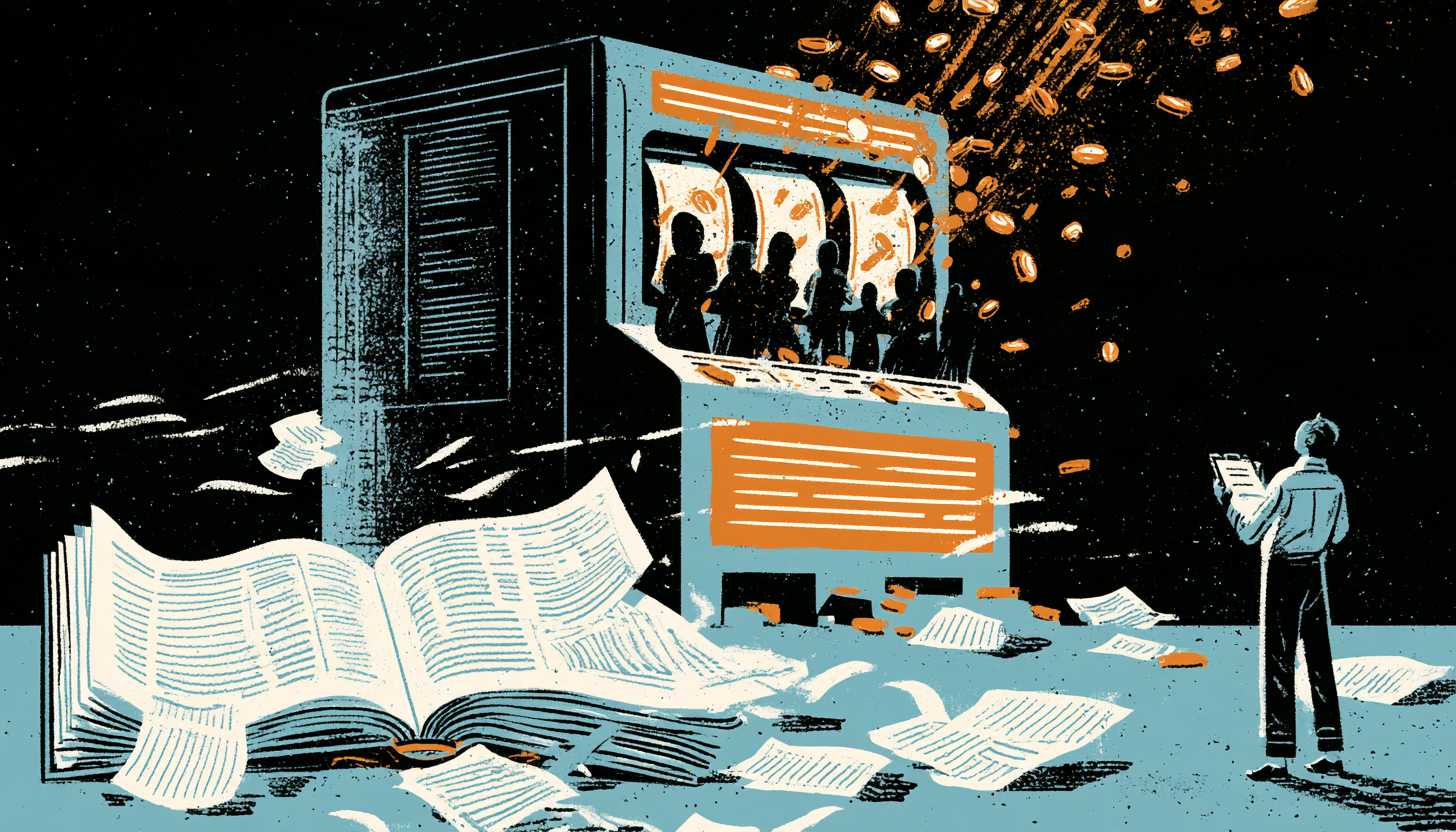
Despite advances in disinformation research, measuring its true impact remains one of the field’s toughest challenges.
This edition covers the latest global developments in the fight against disinformation, from major tech platforms pulling back on political ads and fact-checking support, to new EU policy milestones and groundbreaking research on disinformation trends.
Internship openings 2026! Our internship program is designed to provide real-world experience and responsibilities, ensuring that our interns gain valuable insights and skills that will serve them well in the professional world.
This updated document tracks how major platforms are handling climate disinformation, in light of evolving policies and the EU’s Digital Services Act (DSA).
Europe’s counter-disinformation community faces growing pressure from both hostile foreign actors and shifting domestic politics. This publication examines how these trends, illustrated through the case of Germany, are reshaping the environment for safeguarding the integrity of Europe’s information space.
This page is designed to gather a timeline of the Doppelganger operation with a few elements collected from different reports.
This hub is your go-to resource for understanding the impact of AI on disinformation and finding ways to combat it.
This report presents the final findings of the HEAT project, which investigated climate-related misinformation, disinformation, and malinformation (MDM) across Germany, France, and the Netherlands.

We continuously monitor disinformation activities across the major platforms (digital and traditional), identify trends and threats, alert activists and researchers to these, and make our resource pool widely available to collaborators.

We develop and maintain an independent European platform on disinformation, providing experts with tools and resources to encourage collaboration. We collect and organise critical information, findings, tools and other resources useful for activists and experts.

We regularly make policy recommendations at the EU level and to Member States based on our own analyses, and help other activists ensure that their advocacy efforts are grounded in sound analyses.

We organise regular events, including an annual conference, webinars, and workshops, which collectively assemble researchers and experts to share experiences and tools, plan collaborations, and keep abreast of critical developments in the field.